Smart Home 2025: Must-Have IoT Devices for the Modern Home
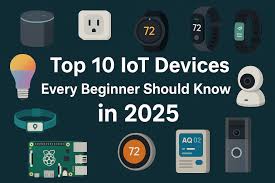
The concept of a smart home has evolved rapidly over the past few years, and in 2025, it’s no longer a futuristic idea—it’s a reality. IoT (Internet of Things) devices have transformed ordinary houses into intelligent, connected living spaces that provide comfort, security, and energy efficiency.
From voice-controlled assistants to smart security systems, the modern home now integrates technology seamlessly into daily life. This article explores the must-have IoT devices for smart homes in 2025, explaining how each device enhances convenience and quality of living.
Why Smart Homes Are Becoming Popular in 2025
Several factors drive the increasing adoption of smart home devices:
-
Convenience – Automation reduces manual tasks and saves time.
-
Energy Efficiency – Smart devices optimize electricity and water usage.
-
Security – Real-time monitoring and alerts improve home safety.
-
Integration – Devices now work together through centralized platforms like Alexa, Google Home, or Apple HomeKit.
-
Affordability – Costs of IoT devices have decreased, making smart homes accessible to more households.
As more people embrace technology, smart homes are becoming the standard rather than a luxury.
Must-Have IoT Devices for Smart Homes in 2025
1. Smart Speakers & Voice Assistants
Voice assistants like Amazon Echo, Google Nest, and Apple HomePod remain essential. They act as the central hub for controlling other smart devices using simple voice commands.
Benefits:
-
Control lights, thermostats, and appliances hands-free.
-
Access music, news, and reminders instantly.
-
Integrate with routines for automated daily tasks.
2. Smart Lighting Systems
Smart lights such as Philips Hue or LIFX provide both convenience and energy savings.
Features:
-
Turn lights on/off remotely via apps.
-
Adjust brightness and color to suit mood or activity.
-
Schedule automation for energy efficiency and security.
Smart lighting is one of the easiest and most cost-effective ways to upgrade your home.
3. Smart Thermostats
Devices like the Nest Thermostat or Ecobee help maintain ideal home temperatures while reducing energy consumption.
Benefits:
-
Learn your schedule and adjust settings automatically.
-
Save on heating and cooling costs.
-
Monitor energy usage for better efficiency.
Smart thermostats are particularly valuable for eco-conscious homeowners in 2025.
4. Smart Security Systems
Home security is a top priority. Smart security devices include:
-
Smart Cameras: Monitor your home in real-time from anywhere.
-
Doorbell Cameras: See and speak to visitors remotely.
-
Smart Locks: Grant temporary access to guests without physical keys.
Benefits:
-
Receive instant alerts about suspicious activity.
-
Monitor package deliveries and prevent theft.
-
Increase peace of mind for families and homeowners.
5. Smart Appliances
From refrigerators to washing machines, smart appliances improve efficiency and convenience.
Examples:
-
Smart Fridges: Track groceries, suggest recipes, and notify expiration dates.
-
Smart Washing Machines: Start cycles remotely and save water and energy.
-
Robot Vacuums: Clean autonomously based on schedules or room maps.
Smart appliances allow homeowners to focus on productivity and leisure instead of daily chores.
Baca Juga: The Role of Music in Social Justice at Many Rivers Festival
6. Smart Plugs & Energy Monitors
Smart plugs and energy monitoring devices let you control non-smart devices remotely.
Benefits:
-
Turn devices on/off via smartphone.
-
Monitor electricity usage to reduce waste.
-
Integrate with home automation routines for maximum efficiency.
These devices are an affordable entry point into the smart home ecosystem.
7. Smart Smoke & Carbon Monoxide Detectors
Safety remains a critical aspect of home automation. Smart detectors like Nest Protect alert you instantly via smartphone in case of smoke or dangerous gases.
Advantages:
-
Real-time notifications, even when you’re away.
-
Reduce false alarms with advanced sensors.
-
Integrate with other smart devices for automated emergency responses.
Investing in smart safety devices is a must for modern households.
8. Smart Irrigation & Gardening Systems
IoT has extended into outdoor spaces with devices like smart irrigation systems and automated plant care.
Benefits:
-
Optimize water usage based on weather and soil conditions.
-
Maintain healthy gardens without manual monitoring.
-
Schedule watering remotely via mobile apps.
Smart gardening helps homeowners conserve resources while keeping outdoor spaces vibrant.
Tips for a Fully Integrated Smart Home
-
Choose Compatible Ecosystems – Ensure devices work seamlessly with your primary platform (Alexa, Google Home, or Apple HomeKit).
-
Secure Your Network – Use strong passwords, VPNs, and firewalls to protect IoT devices.
-
Start Small – Begin with key devices like smart speakers, lights, and thermostats before expanding.
-
Automate Routines – Use combined actions to simplify daily tasks, like “Good Morning” routines that adjust lights, play music, and start the coffee maker.
By following these tips, homeowners can create a smart home that is not only functional but also secure and energy-efficient.
Sumber bacaan: www.trophyfilm.com
